

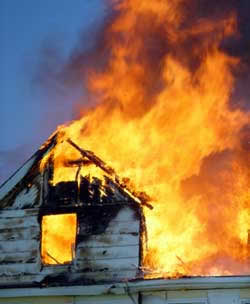
CalEPA and its departments assist local, state and federal agencies during and after major wildfires. The services provided include emergency air monitoring by the California Air Resources Board, identification and removal of hazardous materials by the Department of Toxic Substances Control, and debris and ash removal by CalRecycle. The State Water Resources Control Board monitors water quality and ensures debris removal activities include measures to contain debris on site and prevent ash and other materials from entering rivers, creeks and streams.
For more on roles of CalEPA and its departments, see Reference Materials below.
Latest Wildfire Updates
– Wildfire Response Resources
– Emergency Proclamations and Executive Orders
– CAL FIRE Incident Information
– Fire Incident Information System (InciWeb)
– Cal OES News
– Palisades Fire Water Supply Analysis
Cleanup and Resources on Wildfires
– DTSC: Household Hazardous Waste Removal
– CalRecycle: Wildfire Debris Cleanup and Recovery
– Cal OES: Statewide Wildfire Recovery Resources
Be Ready for Wildfire
 Get ready now. Don’t wait until wildfire season or until danger is near. Download the California Air Resources Board’s California Smoke Spotter app to get wildfire alerts and smoke forecasts on your mobile phone. It includes personalized alerts for new fires, next day smoke forecasts, and real-time Air Quality Index data from PurpleAir sensors. The app is available on the App Store and on Google Play.
Make a custom wildfire preparedness action plan online, sign up to receive text messages on incidents near you and develop an evacuation action plan with CalFIRE’s Ready for Wildfire webpage.
Air Quality
Wildfire smoke is a complex mixture of chemicals, gases, and fine particles. The biggest health threat from smoke comes from breathing fine particles. Listen to city and county officials and heed their warnings and instructions. If you see or smell smoke, protect yourself and your family by staying indoors and avoiding outdoor activities. Seek medical assistance if you have difficulty breathing or experience chest discomfort, wheezing, or shortness of breath. Even healthy people may experience some of these symptoms in smoky conditions.
For Residents
Documentos y recursos en español
Current Conditions
– Current Air Quality Conditions in California
– California Smoke Information
– California Smoke Spotter
– U.S. EPA Smoke Sense Study Mobile App
– How to Interpret Online Monitoring Resources (placerair.org)
Protecting Your Health
– Protecting Yourself from Wildfire Smoke (CARB)
– Wildfire Smoke Factsheet: Wildfire Smoke and Health (PDF)
– Wildfire Smoke Factsheet: Protect Yourself from Smoke and Extreme Heat (PDF)
– Wildfire Smoke Factsheet: At-Risk Groups of People (PDF)
– Wildfire Smoke Factsheet: Prepare for Fire Season (PDF) en español
– Wildfire Smoke Factsheet: Prepare for Wildfire smoke (PDF)
– Wildfire Smoke Factsheet: Reduce Your Smoke Exposure (PDF) en español
– Wildfire Smoke Factsheet: Using Air Quality Sensors for Smoke: What to Consider (PDF)
– Wildfire Factsheet: Protecting Public Health from Home and Building Fire Ash – 2025 (PDF) en español
– Wildfire Smoke Factsheet: Protect Yourself from Ash (PDF) en español
– Protect Yourself from Wildfire Smoke (video)
– How Smoke from Fires Can Affect Your Health
– Reduce Health Risks in Areas With Wildfire Smoke (PDF)
– Wildfire Smoke Factsheet: Coping with the Stress of Wildfire Smoke (PDF)
Protecting At-Risk Populations
– Wildfire Smoke Factsheet: At-Risk Groups of People (PDF)
– Wildfire Smoke Factsheet: Protecting Children from Wildfire Smoke and Ash (PDF)
– Health Risks of Wildfires for Children – Acute Phase (PDF)
– Why is Coco Red? – Wildfire Smoke and Air Quality Picture Book (PDF)
Protecting Animal Health
– Wildfire Smoke Factsheet: Protect Your Pets from Wildfire Smoke (PDF) en español
– Wildfire Smoke Factsheet: Protect Your Large Animals and Livestock from Wildfire Smoke (PDF) en español
Respirator Masks
– Wildfire Smoke Factsheet: Protect Your Lungs from Wildfire Smoke or Ash (PDF) en español
– The Right Respirator and Proper Fit (PDF)
Indoor Air Quality
– Combustion Pollutants and Indoor Air Quality (CARB)
– Air Cleaners and Ozone Generating Products (CARB)
– Wildfires and Indoor Air Quality (US EPA)
– Wildfire Smoke Factsheet: Indoor Air Filtration (PDF)
– Wildfire Smoke Factsheet: How to Create a Clean Room at Home (PDF)
– Tips for choosing indoor air cleaner for effective indoor smoke removal in California (CARB)
– Using Air Quality Sensors for Smoke: What to Consider and Understanding Sensor Data (PDF)
For Health Professionals
– Wildfire Smoke: A Guide for Public Health Officials (PDF) Revised 2019
– Wildfire Smoke and COVID-19: Frequently Asked Questions and Resources for Air Resource Advisors and Other Environmental Health Professionals
– US EPA Smoke-Ready Toolbox for Wildfires
Protecting Children’s Health
–Wildfires: Guidance for Health Professionals on the Health Risks for Children (Acute Phase) (PDF)
– Protecting Children from Wildfire Smoke and Ash (PDF)
Protecting Worker’s Health
–Worker Safety and Health in Wildfire Regions
For Schools
– Guidance for Schools During Wildfire Smoke Events (PDF)
– Wildfires, Air Pollution, and Kids’ Health (Stanford)
– Wildfire Action for California Schools: Fact Sheet (PDF)

Photo: Joseph McCormack, CARB
Air Monitors in Hyampom during a wildfire
Fire Cleanup: Ash and Debris
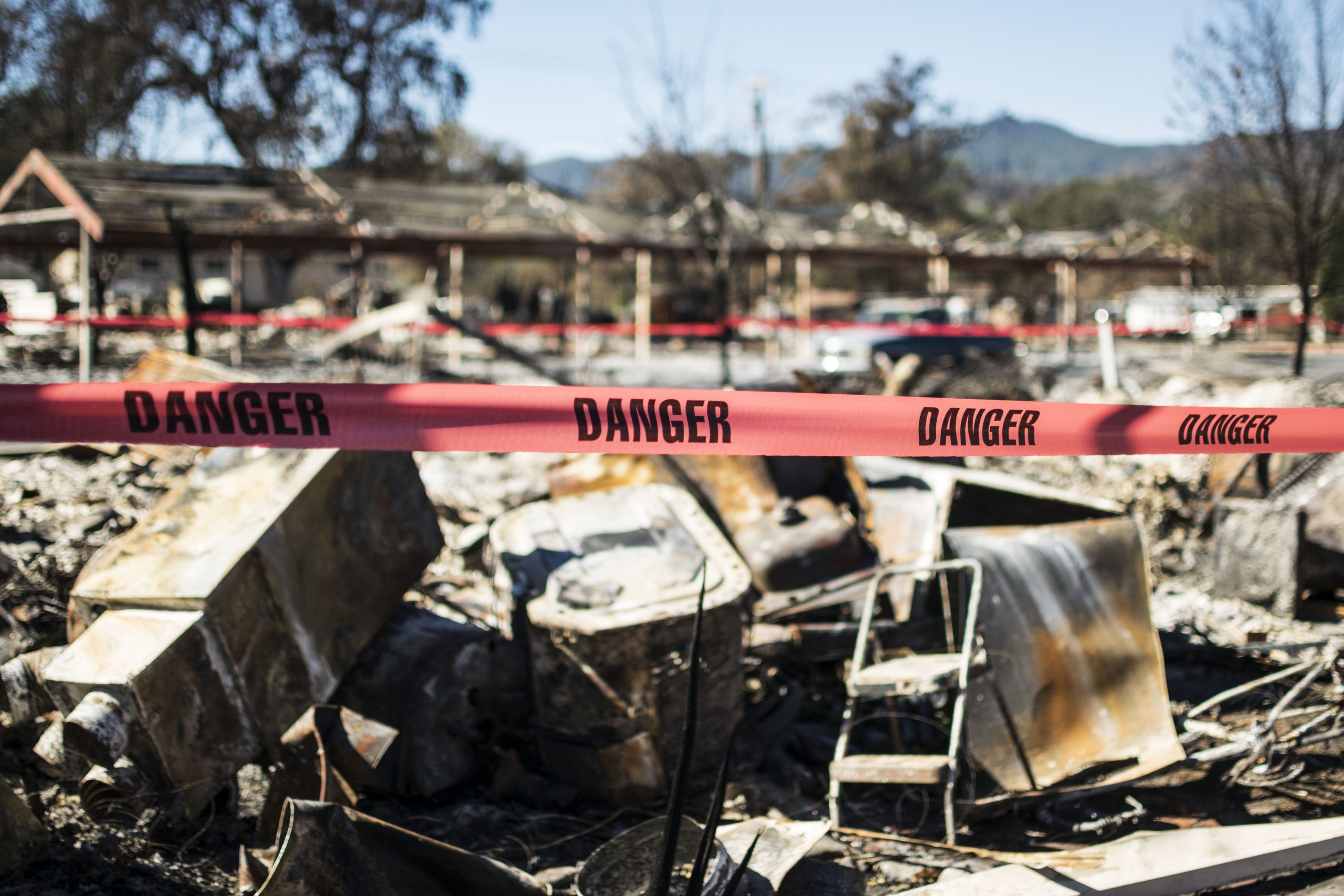 Debris from burned buildings can contain toxic substances. Homeowners may have gasoline, cleaning products, pesticides, and other chemicals stored in garages and sheds that may have burned in the fire. It is important not to expose yourself or your family to any of these materials.
Photo: TC Clark, CalRecycle
Debris awaits cleanup after fire destroyed a Lake County apartment complex in 2015.
Residents
Government-led Cleanup for Burned Properties
The Department of Toxic Substances Control (DTSC) removes hazardous materials from private properties damaged by wildfire, when mission tasked to do so by Cal OES, and in coordination with local government agencies. Daily updates on their missions and progress are posted online at DTSC: Wildfire Household Hazardous Waste Removal. Once DTSC’s work on hazardous materials is completed, CalRecycle can begin the process of removing ash and debris. For more information on CalRecycle’s activities and on how to register eligible burned properties for cleanup, visit CalRecycle: Wildfire Debris Cleanup and Recovery.
Leave Ash and Debris Alone at Burned Properties
Cleaning debris and ash from a structure fire is dangerous. Burned buildings may still have walls that could collapse, batteries that could explode, and chemicals that are hazardous to your health. State, local and federal officials initiate assessment and cleanup operations when it is safe to do so, under the coordination of the Governor’s Office of Emergency Services. If you are a resident of a burned area, we strongly encourage you to look to your city or county government for guidance, instruction and updates. Information is also available at wildfirerecovery.org.
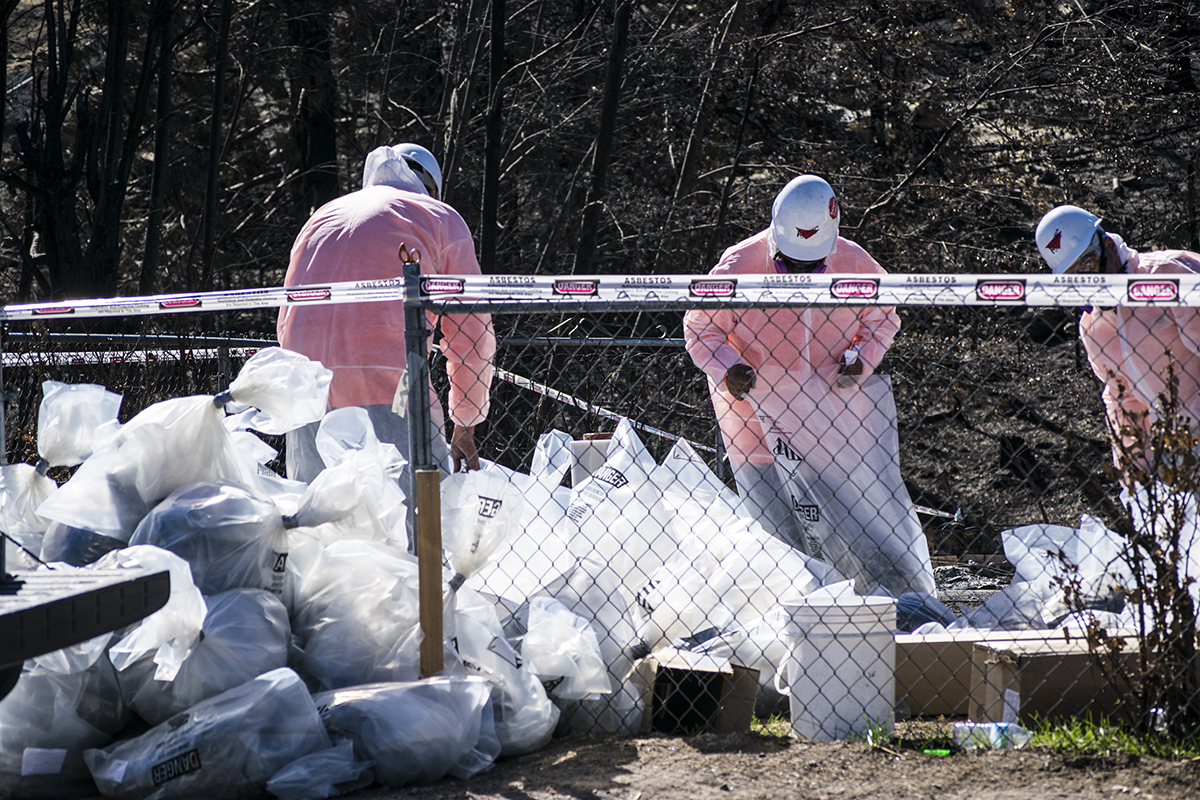
Photo: TC Clark, CalRecycle
Contract crews clean debris following a fire in 2014.
No Fire Damage? How to Clean Light Ash
If your property was not burned, but has light ash from nearby wildfires, you may still want to hire a contractor as wildfire ash can be dangerous. If, however, you choose to clean your own property, you can increase your safety by following the guidelines in the fact sheets below:
Fact Sheet: Protecting Public Health from Home and Building Fire Ash (Safe Cleanup of Fire Ash) (English, PDF) | (Español, PDF)
Wildfire Smoke Factsheet: Protect Yourself From Ash (PDF)
For Agencies
- Removal of Hazardous Materials : Contact DTSC Emergency Response Duty Officer (916) 255-6504
- Removal of Other Debris and Ash: CalRecycle Debris Removal Resources
- Cal OES Debris Removal Resources
- Guidance for Conducting Emergency Debris, Waste and Hazardous Material Removal Actions (PDF)
- Handling Ash, Debris, and Other Hazardous Materials from Burned Structures
- Management Options for Expedited Collection of Hazardous Wastes from Burned Areas
Asbestos Removal
It is important to help minimize the release of asbestos into the environment following a fire. A number of local, state, and federal regulations, including National Emission Standards for Hazardous Air Pollutants (NESHAP), provide safe handling and proper disposal instructions for fire ash and debris containing asbestos. For specific NESHAPs requirements or other local air quality regulations, please contact your air district or the California Air Resources Board (CARB).
Water Protection
Local officials may issue a Boil Water Order when drinking water is contaminated or if a fire has damaged waste water and sewage treatment systems. If such an order is issued, residents should not use their tap water for drinking, washing dishes, washing hands or bathing, for cooking, or brushing teeth without first boiling the water. More information is available at the State Water Resources Control Board’s Drinking Water Programs webpage.
Animals
- UC Davis Veterinary Emergency Response Team: Caring for Animals in Disaster and Emergencies
- Animal Disposal Following an Emergency (CDC)
- Emergency Mortality Disposal Advisory from CDFA
Government Assistance
- Public Assistance – For recovery assistance following a disaster that impacts individuals and households, businesses, and/or the agricultural community in the State of California.
- California Volunteers – Opportunities to assist in the relief efforts.
- California Department of Insurance – Insurance issues and claims, call toll-free 1-800-927-HELP (4357).
- California Contractor’s State License Board – Verifies contractor licenses, investigates complaints, and provides information about hiring a licensed contractor. Contact CSLB Disaster Hotline M-F from 8 a.m. – 5 p.m. at 1-800-962-1125, or 24-hour Automated Phone Response System 1-800-321 CSLB (2752). Licenses can also be checked online at www.cslb.ca.gov.
- Franchise Tax Board – Guidance in obtaining tax relief for disaster casualty losses. Contact the Franchise Tax Board at 1-800-852-5711, (TTY/TDD) for hearing or speech impaired: 1-800-822-6268.
Reference Materials
- California Emergency Plan and Emergency Support Functions (October 2017) (CalEPA pp. 108-112)
- Emergency Function 10 Hazardous Materials Annex to California Emergency Plan (PDF)
- CalEPA’s Emergency Response and Disaster Preparedness webpage
- CalEPA’s California Hazmat & Oil Emergency webpage
Other Publications