

CalEPA’s Resources and Actions to Combat Extreme Heat
OEHHA
CARB
Water Boards
DPR
DTSC
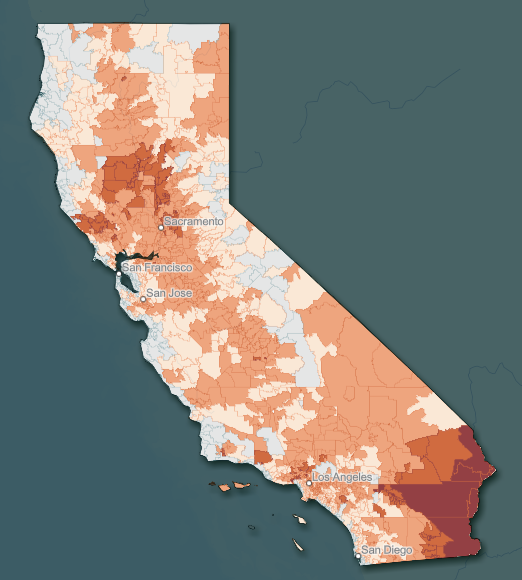
Extreme heat is dangerous and can be deadly. Climate change is causing higher temperatures and more frequent, intense heat waves across the state. Children, older adults, people with health conditions, and those who work outdoors face the greatest risks.
To protect Californians, CalEPA and its Boards, Departments, and Office are working to share clear information about the dangers of extreme heat and ways to stay safe. We focus especially on people who are most at risk. CalEPA is also committed to protecting California’s air and water quality as temperatures continue to rise.
Extreme heat is dangerous and can be deadly. Climate change is causing higher temperatures and more frequent, intense heat waves across the state. Children, older adults, people with health conditions, and those who work outdoors face the greatest risks.
To protect Californians, CalEPA and its Boards, Departments, and Office are working to share clear information about the dangers of extreme heat and ways to stay safe. We focus especially on people who are most at risk. CalEPA is also committed to protecting California’s air and water quality as temperatures continue to rise.
Extreme heat is dangerous and can be deadly. Climate change is causing higher temperatures and more frequent, intense heat waves across the state. Children, older adults, people with health conditions, and those who work outdoors face the greatest risks.
To protect Californians, CalEPA and its Boards, Departments, and Office are working to share clear information about the dangers of extreme heat and ways to stay safe. We focus especially on people who are most at risk. CalEPA is also committed to protecting California’s air and water quality as temperatures continue to rise.
Office of Environmental Health Hazard Assessment (OEHHA)
- OEHHA created CalHeatScore, a public health tool that helps protect people from extreme heat. CalHeatScore gives the public information about upcoming heat events and provides life-saving tips to help protect people, especially those most at risk.
- CalHeatScore is used across California to give early warnings. These heat-warnings help state and local agencies send resources more quickly to the communities that need them most.
- During the 2026 World Cup, the California Department of Public Health used CalHeatScore data in weekly preparedness reports to help protect the safety of attendees, workers and nearby communities.
- The California Office of Emergency Services uses live CalHeatScore data in its statewide operational dashboard to monitor and respond to potential heat events.
- Doctors at the University of California, San Francisco are testing a tool that adds CalHeatScore data to electronic health records. This tool will help doctors identify patients who are most at risk from extreme heat and send them personalized, real-time safety messages.
- California investor-owned utilities will use CalHeatScore to determine whether the heat is extreme enough to prevent power shutoffs to households with delinquent bills during extreme heat days. This requirement is a shift from the prior standard of a uniform 100-degree threshold across the state. Live data can help make sure protective actions happen where and when they are needed most.
The goal is that these heat protections will lead to reduced heat illnesses and deaths across the state.
New to CalHeatScore? Watch this 4 minute overview.
California Air Resources Board (CARB) 
- Climate Heat Impact Response Program (CHIRP): When an extreme heat wave causes a Governor’s State of Emergency because of stress on the power grid, many facilities use backup generators that can increase air pollution. CHIRP helps reduce this pollution. The program provides funding to local air districts for clean air projects. CARB directs districts to focus on replacing older diesel generators with cleaner or zero-emission power systems, especially in disadvantaged and low-income communities that are most affected by pollution during extreme heat.
- CARB also works with the California Department of Public Health (CDPH) and local air districts to coordinate extreme heat alerts with Air Quality Advisories.
- In addition, CARB provides detailed air quality data from community air monitoring networks to support statewide heat vulnerability mapping tools.
California State Water Resources Control Board (Water Boards)
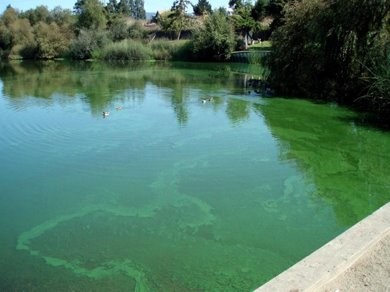
- The State Water Board carries out laws that give urban retail water suppliers time to work with communities and use water more efficiently. These efforts are designed to avoid increasing urban heat and to reduce heat by supporting urban forests and planting more trees. The Board also allows water budgets increases for parks, recreational areas and other special landscape areas where people can cool off during extreme heat. The State Water Board’s Freshwater Harmful Algal Blooms program works to protect the public from toxic algae that can grow during hot weather. The program monitors harmful algal blooms, works with local agencies to develop public health guidance for recreational waters, and provides educational materials for agencies and the public.
- The State Water Board’s financial assistance programs fund provides financial assistance for drinking water systems, drought response, and water recycling projects. These programs help California become more resilient to extreme heat.
- These programs include:
- Clean Water State Revolving Fund and Drinking Water State Revolving Fund which finance infrastructure projects that reduce drinking water risks, support the human right to water, and improve water quality.
- Through the Interim Bottled and Hauled Water Funding Program, the State Water Board provides emergency drinking water to eligible low-income households served by domestic wells or small state water systems affected by drought.
Department of Pesticide Regulation (DPR) 
- Extreme heat greatly increases the risk of illness for fieldworkers, especially during the summer. DPR staff work directly with farmworkers, pesticide handlers, and growers to provide information and resources about staying safe during extreme heat.
- DPR also takes part in annual meetings on fieldworker safety. These meetings cover heat illness prevention, how to recognize heat-related illness, and first aid for people affected by extreme heat.
Department of Toxic Substances Control (DTSC)
- DTSC inspects permitted hazardous waste facilities to help reduce risks during extreme heat.
 Facility operators inspect storage areas and tank systems every day. They also inspect and maintain protective caps on closed sites.
 - Hazardous waste facilities follow written inspection schedules for monitoring equipment, safety and emergency equipment, security devices and operating and structural equipment. These inspections help prevent, detect, and respond to environmental and public health hazards.
- Permitted facilities are required to have and carry out contingency plans, preparedness and prevention plans, and emergency procedures for extreme heat.